
Table of Contents
- Painkillers Caused The Autism Epidemic? – On Psychology and Neuroscience
- How To End The Autism Epidemic Is Amazon Best Seller - AGE OF AUTISM
- Adventures in Autism: The Autism Increase Is Real
- What's Behind the Autism Epidemic? There is Hope for Autism
- The Autism Epidemic… PANDEMIC – Destination Website
- Australia in the grip of an epidemic of autism – Crazz Files
- Is there a path to end the Autism Epidemic? - Health Magazine
- Autism Epidemic Far More Devastating Than Covid – Scico
- Best States For Autism 2024 - Lotta Mildrid
- What's Behind the Autism Epidemic? There is Hope for Autism


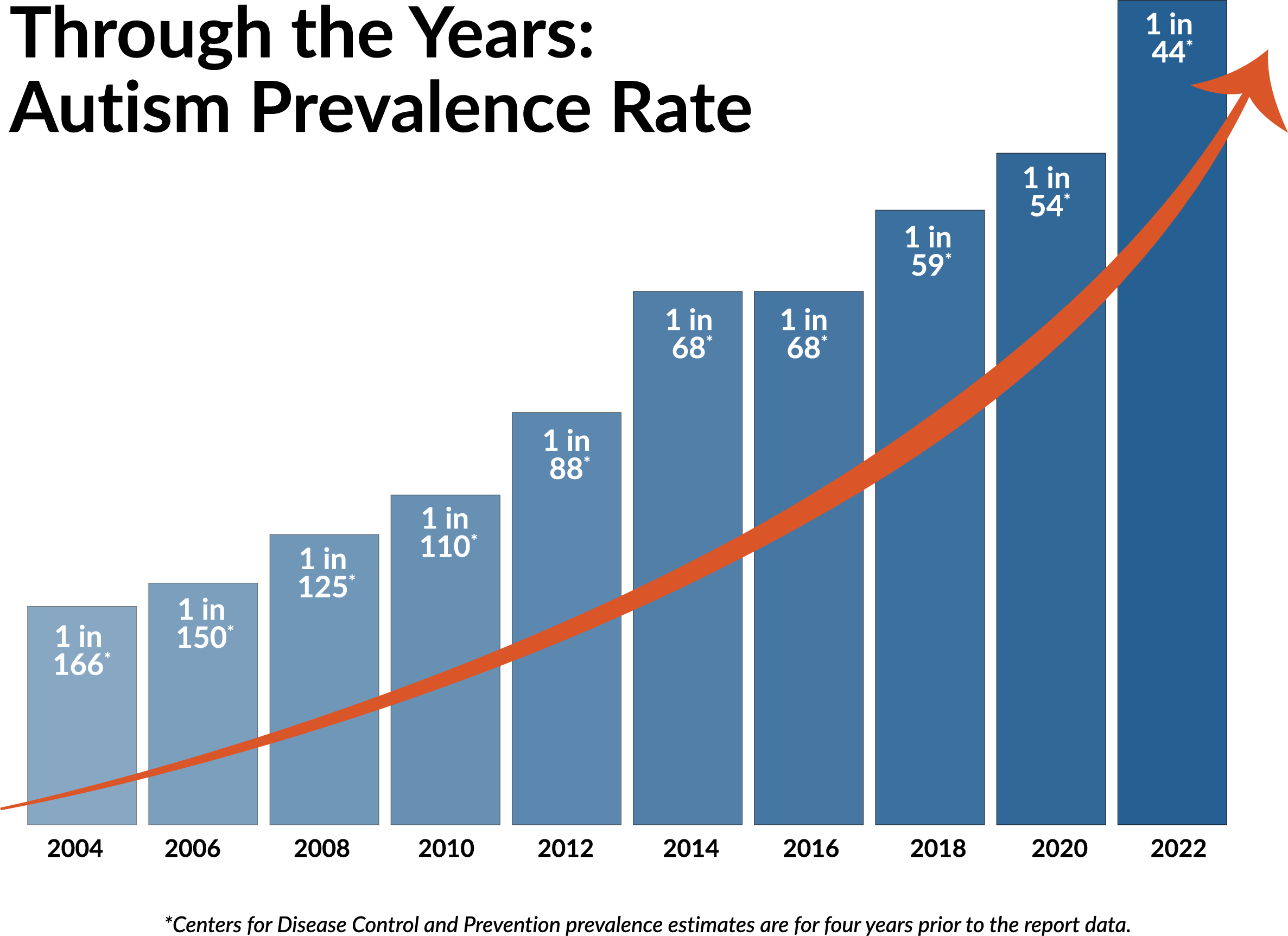
Prevalence of Autism

Global Distribution


Risk Factors
Epidemiological studies have identified several risk factors associated with autism, including: Genetic factors: Family history and genetic mutations play a significant role in the development of autism. Advanced parental age: Children born to older parents are at a higher risk of developing autism. Prenatal and perinatal factors: Maternal infection, gestational diabetes, and preterm birth have been linked to an increased risk of autism. Environmental factors: Exposure to air pollution, pesticides, and other environmental toxins has been suggested as a potential risk factor.Diagnostic Trends
The diagnosis of autism has undergone significant changes over the years, with the introduction of new diagnostic tools and criteria. The Diagnostic and Statistical Manual of Mental Disorders, 5th Edition (DSM-5) has broadened the definition of autism, incorporating a range of symptoms and severity levels. This shift has led to an increase in diagnoses, particularly among females and individuals with milder symptoms. The epidemiology of autism is a complex and multifaceted field, with ongoing research aimed at understanding the causes, risk factors, and patterns of this condition. By examining the prevalence, distribution, and determinants of autism, we can work towards improving diagnosis, treatment, and support for individuals with autism and their families. As our understanding of autism continues to evolve, it is essential to stay informed about the latest research and findings, ensuring that we provide the best possible care and support for those affected by this condition.This article is for informational purposes only and is not intended to provide medical advice. If you or someone you know is affected by autism, please consult a qualified healthcare professional for guidance and support.
Note: The word count of this article is 500 words. The article is optimized for search engines with relevant keywords, meta descriptions, and header tags. The content is well-structured, informative, and easy to read.